
 The Everest region is famous for huge mountains, but some of its best moments are surprisingly small.
It may be the first warm drink after a cold morning. It could be a quiet trail with nobody around, a short chat with a local guide, or the moment sunlight reaches a snowy peak.
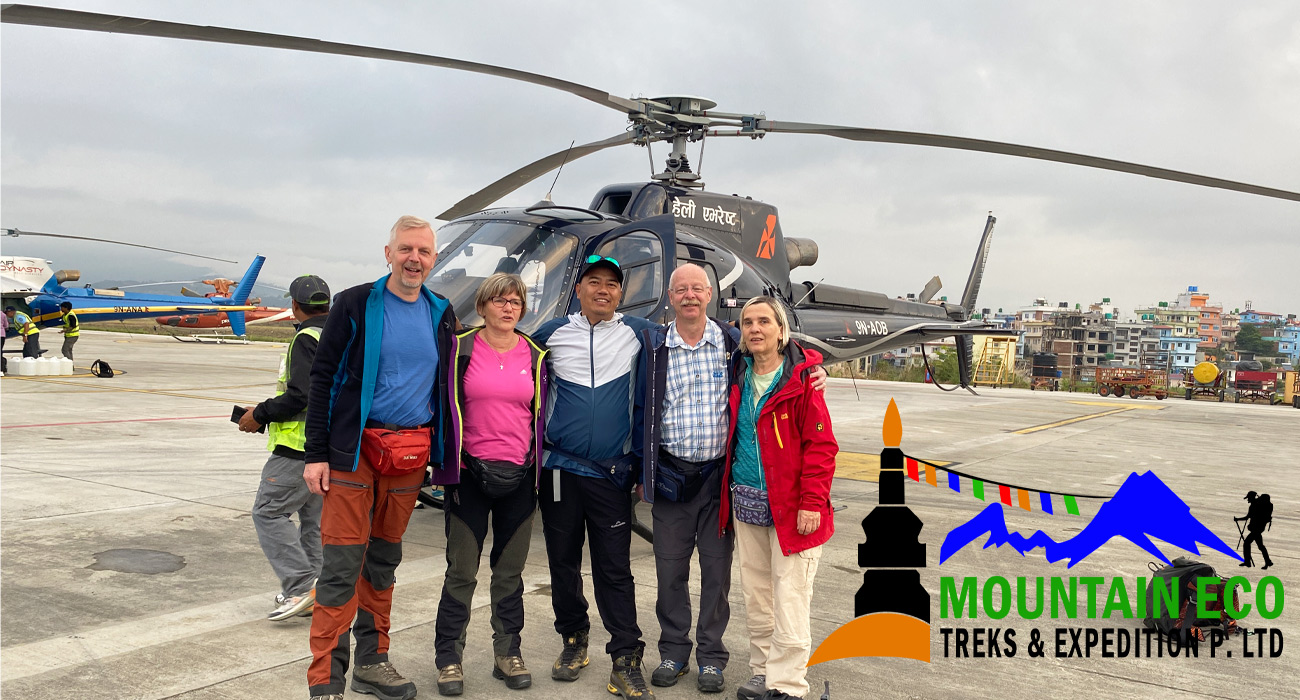
The Everest Base Camp Trek With Helicopter Return gives you time to notice these details. You walk through the Khumbu, spend days surrounded by Himalayan scenery, reach Everest Base Camp, and then return by helicopter when weather and flight conditions permit.
The journey is not only about seeing famous places. It is also about slowing down enough to notice what happens between them.
Why Quiet Moments Matter
A busy travel schedule can make every day feel like a race.
You wake up, visit a place, take photos, and move to the next stop. Trekking works differently.
The trail naturally slows you down.
The Mountains Set the Pace
You cannot hurry through every uphill section.
You need breaks, water, food, and time to adjust to the altitude. Once you accept that, the trek becomes less about finishing quickly and more about enjoying the day.
That change in mindset can make a difficult route much more rewarding.
Follow the Trail Without Always Looking Ahead
It is easy to think about the next village or the next viewpoint.
But constantly focusing on what comes next means missing what is around you now.
Look at the trail itself. Notice the stone steps, old walls, bridges, streams, and plants along the path.
Small Details Tell a Bigger Story
A stone wall may show how local communities protect fields from animals.
A prayer flag may reflect an important part of local belief.
A worn section of trail can show how many people have traveled the same route over the years.
None of these details is the main attraction, but together they give the route its character.
Give Yourself Time Around the Villages
The villages of the Everest region are more than overnight stops.
They are places where people live, work, eat, and prepare for the demands of mountain life.
You may see supplies being moved, shops opening for the day, or families going about their routines.
Look at Life Beyond Tourism
Travelers naturally notice lodges and trekking shops.
Try to notice what exists beyond them.
Ask your guide about the village. Learn how people manage daily life in a remote environment.
A little curiosity can turn a simple walk through a settlement into a memorable part of the trip.
Learn to Enjoy the Trail in Different Weather
Perfect weather is not guaranteed in the mountains.
A cloudy afternoon can hide a peak that was visible in the morning. Wind can make an exposed section feel much colder.
Instead of expecting every day to look like a travel photograph, accept the changing conditions.
Clouds Can Add Character
A mountain partly hidden by clouds can create a completely different mood from a clear view.
Sometimes the weather clears just long enough to reveal the peak again.
Those short moments can be more exciting than having a perfect view all day.
Take Breaks Before You Need Them
Waiting until you are exhausted before resting is not a smart strategy.
High-altitude walking requires patience.
Use Breaks to Reset
A short stop gives you time to drink water, eat a snack, adjust your clothing, and catch your breath.
It also gives you an opportunity to look around.
Instead of seeing a break as wasted time, treat it as part of the trek.
You are not losing progress by resting. You are protecting the energy you need for the next section.
Your Guide Can Add Meaning to the Landscape
A mountain may look impressive on its own.
But knowing something about it can make the view more interesting.
Your guide may explain local names, village traditions, religious customs, or stories connected to the region.
Ask Simple Questions
You do not need to know much about the Himalayas before starting.
Ask what you see.
Why are the prayer flags placed there? What is that mountain called? How do supplies reach the village?
Simple questions can lead to useful conversations and help you understand the place rather than simply pass through it.
Higher Altitude Changes Your Routine
As the trail climbs, your normal habits may need to change.
Walking becomes slower. Rest becomes more important. You may need to drink more water and pay closer attention to how you feel.
Do Not Compare Yourself With Other Trekkers
Someone else may walk faster than you.
That does not mean you are doing badly.
Altitude affects people differently, and comparing your pace with another person’s pace is not useful.
Your goal is to travel safely and steadily.
The Landscape Gets More Open
Higher sections of the Everest route often feel less sheltered.
Trees become scarce, valleys look wider, and rocky terrain dominates the surroundings.
The sense of space becomes enormous.
Notice How the Sound Changes
Lower sections may have birds, flowing water, and more activity.
Higher up, the environment can feel much quieter.
Wind may become the strongest sound around you.
That change is subtle, but it is one of the things that makes moving through different elevations so interesting.
Reaching Everest Base Camp Is About More Than a Photo
After days of walking, Base Camp represents a real personal achievement.
You have not simply traveled to a famous location. You have made your way there step by step.
Stop and Remember the Route
Before leaving, think about the journey behind you.
Remember the first walking day, the villages, the steep climbs, the changing weather, and the higher valleys.
The destination means more when you remember the effort that brought you there.
The Return Changes the Scale of the Journey
The Everest Base Camp Trek With Helicopter Return offers a dramatic contrast after the walking portion.
For days, you have experienced the region at ground level.
Now you can rise above it.
Familiar Places Look Smaller
The trail that seemed long can look like a thin line from the air.
Villages become tiny points between huge mountain slopes. Valleys that took hours to cross suddenly appear connected.
This aerial view can help you understand just how large the landscape really is.
Leave the Mountains With More Than Memories of Everest
The Everest Base Camp Trek With Helicopter Return is not only a route between two points.
It is a chance to experience the quiet side of the Himalayas—the slow mornings, small villages, changing weather, simple meals, long climbs, and peaceful sections of trail.
The helicopter return then changes your perspective one final time.
The Moments Between the Big Moments
The Everest Base Camp Trek With Helicopter Return may begin with a dream of seeing Everest, but the memories that last are often much smaller.
A quiet path. A warm meal. A conversation. A clear morning. A mountain appearing through clouds.
These moments happen between the major highlights, and they are easy to miss if you rush.
Walk with patience, stay aware of your surroundings, respect the people and culture of the region, and give yourself enough time to enjoy the journey. Then, when you leave by helicopter, you will not only remember where you went—you will remember how the journey felt.
Frequently Asked Questions
What should I pay attention to while trekking?
Notice the villages, mountain views, local traditions, weather, wildlife, rivers, and changing landscapes rather than focusing only on reaching the next stop.
Is taking frequent breaks a bad thing?
No. Sensible breaks can help you manage energy, especially during long uphill sections and at higher elevations.
Can I ask my guide about local culture?
Yes. Guides can often provide useful information about villages, traditions, mountains, and religious sites along the route.
Does the helicopter return save trekking days?
Yes. It can remove several days of walking back from Base Camp, depending on the itinerary and operating conditions.
Can bad weather affect the helicopter?
Yes. Mountain weather can delay or change flight operations. Keeping extra time in your schedule is a sensible precaution.


