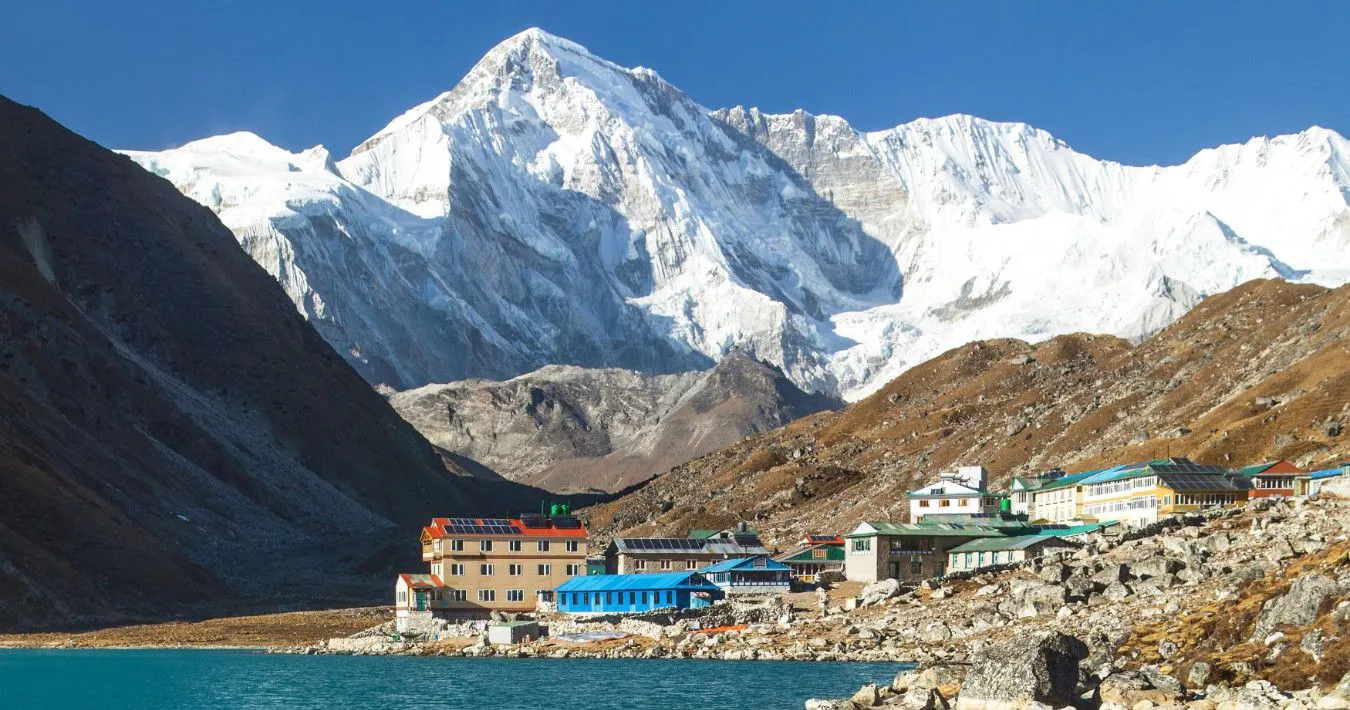
Planning a Himalayan trip usually starts with a destination, but the choice of travel company can shape almost everything that follows. Before looking at an itinerary or sending an inquiry, travellers should understand what kind of experience they want, what support they may need, and how an operator approaches the journey. This is where researching Himalayan Leisure can be useful, especially for travellers considering trekking, cultural tours, or broader Himalayan adventures.
Start With the Type of Journey
Not every Himalayan traveller is looking for the same experience. Some people want a demanding high-altitude trek, while others prefer a slower trip with cultural stops, scenic walks and comfortable accommodation. There are also travellers who want to combine several experiences during one holiday.
Before approaching an operator, it helps to decide what matters most. Think about whether the priority is trekking, mountain scenery, local culture, sightseeing, climbing, or a mixture of these. Having a rough idea makes it easier to compare suitable itineraries instead of trying to judge every available trip at once.
Look Beyond the Destination Name
A familiar destination name does not tell you everything about a trip. Two itineraries visiting the same region can feel completely different because of their duration, daily walking schedule, accommodation, acclimatisation plan, and transportation arrangements.
For example, a trek should be assessed by more than its maximum altitude. Daily elevation changes, walking hours, rest days, trail conditions, and the overall pace can affect the experience considerably. Travellers researching HimalayanLeisure should therefore look closely at the details behind an itinerary rather than choosing a trip based only on its headline destination.
Consider the Support Provided
Mountain travel requires more planning than an ordinary city holiday. Weather can change quickly, transportation may involve remote roads, and high-altitude routes require sensible pacing. Good support before and during the trip can therefore make the planning process much easier.
Travellers should find out how an operator handles practical matters such as airport transfers, permits, accommodation, transportation, guides, meals, and itinerary adjustments. It is also worth understanding how communication works before departure. Clear answers to ordinary questions can tell travellers a lot about how organised the overall planning process is likely to be.
Check Whether Trips Can Be Adapted
One traveller might be very happy with a fixed trip while another would be very unhappy. Limited vacationers might need a shorter route, and someone else might want more acclimatisation days. Various factors can affect what works best: fitness, previous trek experience, preferred accommodation and dates.
Therefore, it is best to consider customisation before making a decision. Instead of taking it for granted that the standard tour is the only one, tourists can inquire if there are any modifications to the tour that can be made. This is especially suitable for families, private groups and experienced trekkers or travellers who are looking for adventure and cultural sightseeing.
Understand the Season Before Booking
Timing deserves attention because Himalayan conditions vary considerably throughout the year. A route that is pleasant during one season may offer a very different experience during another.
Travellers should consider rainfall, visibility, temperatures, trail conditions and the likelihood of busy periods. The best travel window also depends on the specific destination. There is no single month that works equally well for every Himalayan journey.
Instead of asking only, “When is the best time to visit?”, ask which season best matches the particular trek or tour and the experience you want.
Ask Practical Questions Early
A short list of questions can prevent confusion later. Travellers should understand what is included in the package, what they need to arrange independently, and what preparation is expected from them.
Useful questions may cover:
- What permits or documents are required?
- How much walking is involved each day?
- What accommodation is normally provided?
- How are acclimatisation days handled?
- What happens if the itinerary needs adjustment?
- What should travellers bring themselves?
Getting these details clear before booking makes comparisons much easier and gives travellers a more realistic picture of the journey.
Choose With Your Priorities in Mind
The best Himalayan trip is not necessarily the longest, highest, or most famous one. It is the one that fits the traveler’s available time, physical preparation, interests, comfort preferences and expectations.
Researching an operator such as Himalayan Leisure should therefore be part of a wider decision-making process. Look at the destinations, study the itinerary details, ask practical questions, and consider whether the available support matches your needs. A little preparation before booking can make the entire travel experience feel more organised.
Conclusion
Planning a Himalayan adventure becomes easier when travellers understand what they actually want from the journey before choosing an itinerary. Destination, difficulty, season, support, accommodation, and flexibility all deserve attention, rather than relying on a tour name alone. Travellers interested in exploring available trekking and Himalayan travel options can review Himalayan Leisure and use the information there as a starting point for their planning. Taking time to ask questions and match the trip with personal priorities can help create a more comfortable and rewarding mountain experience.